
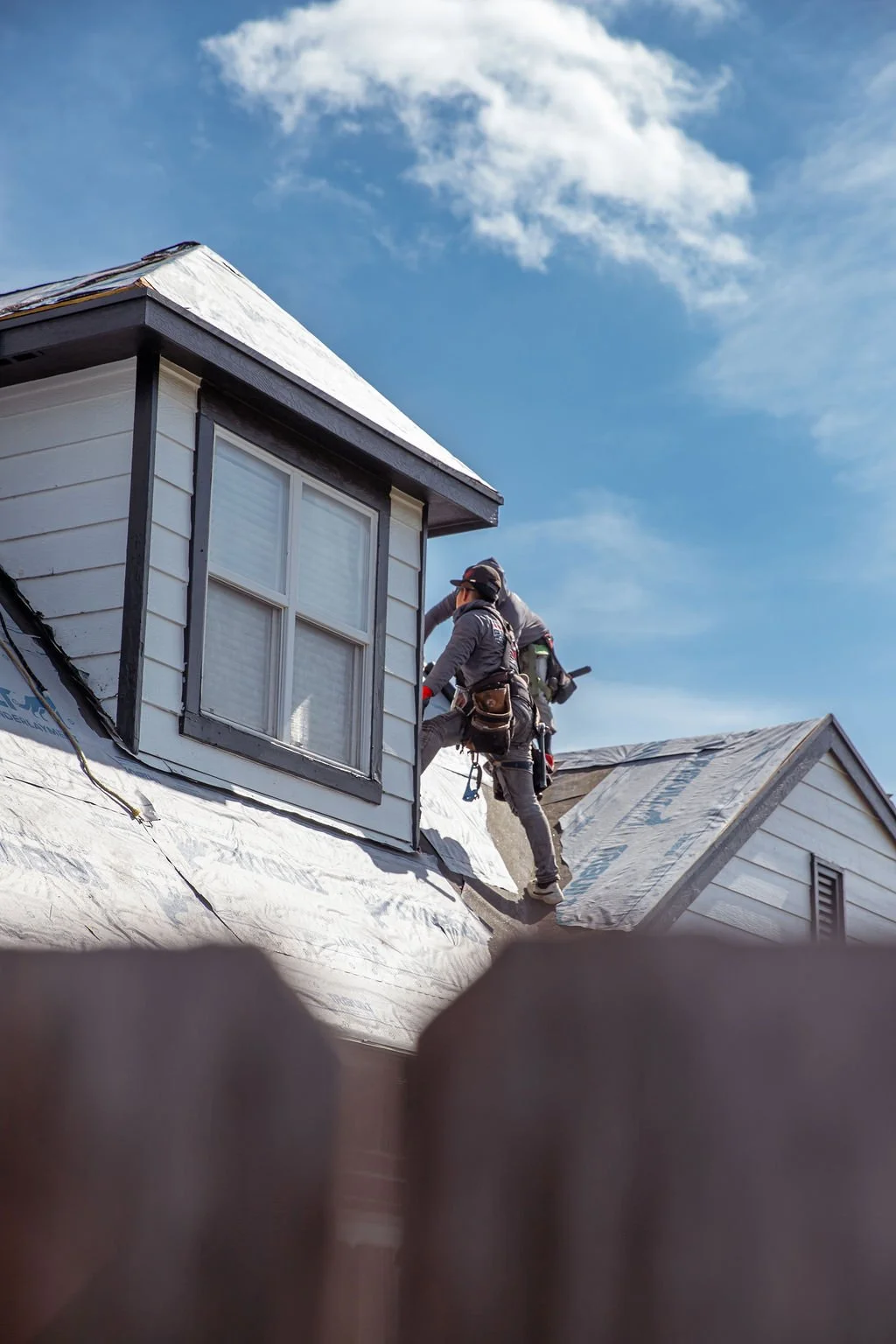
Fall does not put on a show the way a spring hail storm does, so most Oklahoma homeowners assume the roof gets a break between storm season and winter. It does not. Fall brings high wind on cold fronts, big day-to-night temperature swings, and wet leaves that sit in the valleys for weeks. Each of those attacks the roof differently, and all three tend to finish off damage that spring already started. That is the main reason our roofing crews run so many inspections in October.
The useful part about fall damage is that it is almost always findable from the ground if you know what to look for. Here is what actually happens up there and what it looks like from your driveway.
Cold-front wind lifts shingles without removing them
When a front rolls through Oklahoma in October or November, we get sustained wind and hard gusts without the hail that makes people look up. Wind does not usually rip a whole shingle off. It gets under the bottom edge and breaks the adhesive strip that bonds each shingle to the one below it.
A shingle with a broken seal looks fine from the street. It lies flat on a calm day. Then the next windy day it flutters, works the nails loose, and lets rain drive up underneath. By the time it visibly curls, water has been getting in for a while.
Signs to watch for:
Shingles that look slightly wavy or uneven along a course, especially near the ridge and along rakes and eaves where wind pressure is highest
Any shingle you can see the underside edge of
Shingle pieces or full tabs in the yard or the flowerbeds after a windy day
Exposed nail heads
If a front came through and you found debris in the yard, the roof is worth a look even if nothing appears missing.
Temperature swings crack aging shingles
An Oklahoma fall day can hit 80 in the afternoon and drop into the 40s overnight. Asphalt shingles expand in heat and contract in cold, so a 35-degree daily swing means the whole roof is moving a little every single day.
A newer, flexible shingle handles that fine. An older one that has lost its granules and dried out does not. It develops hairline cracks, and those cracks widen with every cycle. This is called thermal cracking, and it is the specific reason a roof that made it through August can start leaking in November without any single storm to blame.
You can spot the setup for it from the ground: dark, smooth-looking patches where the granules have worn off, and a general brittle or matte appearance compared to newer roofs on the street. Our guide on the signs you need a new roof goes deeper on when cracking crosses from a repair into a replacement conversation.
Wet leaves in valleys and gutters hold water where it should drain
Roofs are built to shed water fast. Anything that slows it down is a problem.
Leaves collect in roof valleys, behind chimneys, in the low spot where a lower roof meets a wall, and around anything sticking up through the roof. Wet leaf mat holds moisture against the shingles for days, which accelerates granule loss and can rot the decking underneath over a few seasons.
In the gutters, that same mat causes water to overflow at the roof edge and back up under the first course of shingles. That is the setup for the ice dam that shows up in the first freeze.
Clear valleys and gutters in late fall, after most of the leaves have come down. Doing it in early October usually means doing it twice.
Fall is when spring hail damage finally leaks
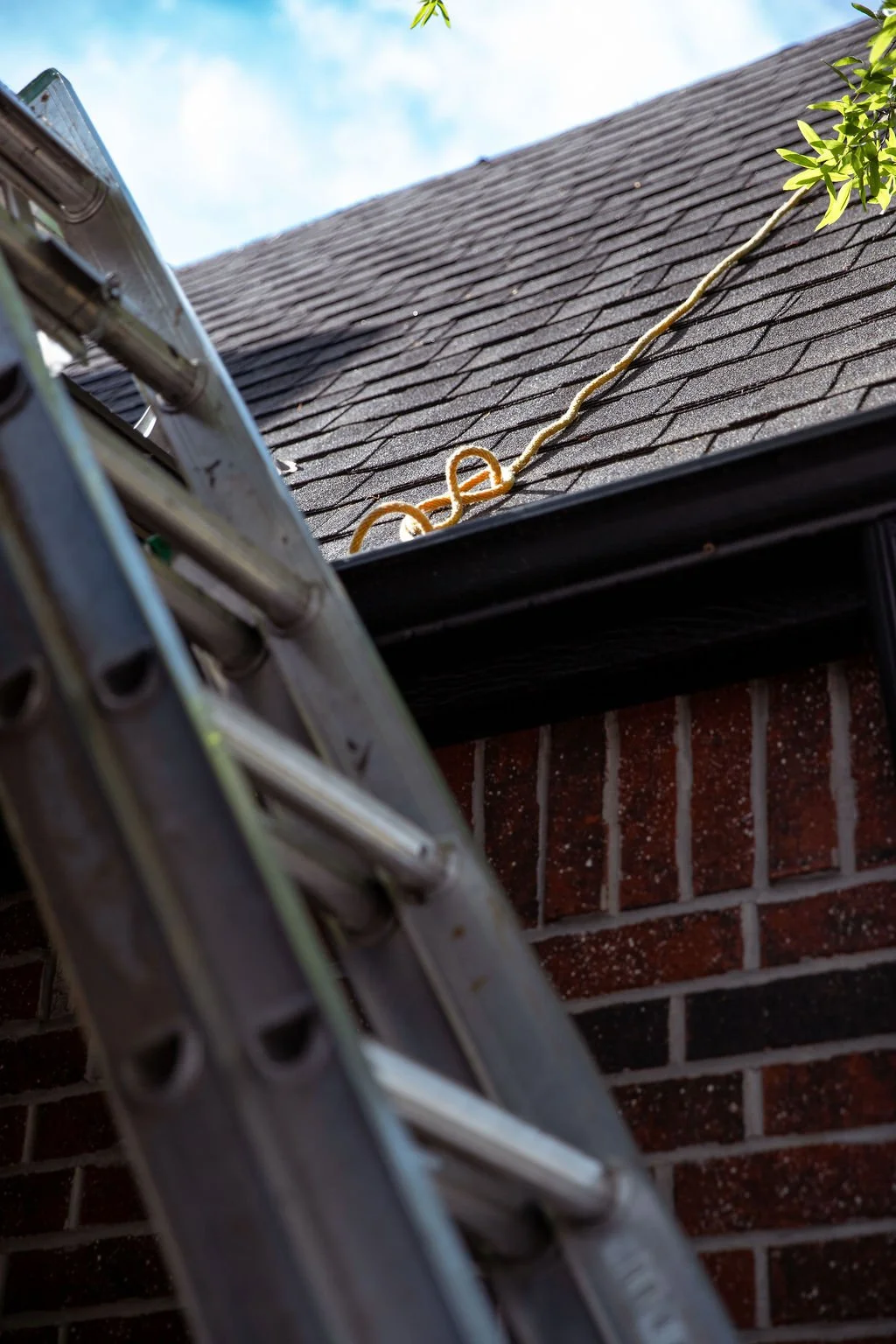
This is the pattern we see most, and it catches people off guard.
Hail does not always break a shingle open. Often it bruises it, meaning the impact fractures the asphalt mat underneath while the surface still looks more or less intact. A bruised shingle is compromised but not yet leaking. Then it sits through an Oklahoma summer of heat, a fall of thermal cycling, and the bruise opens up.
So a homeowner who had no visible damage in May and skipped the inspection gets a ceiling stain in November and cannot figure out where it came from. Meanwhile the storm date is months in the past.
That timing matters for insurance. Most policies have a limited window for filing a storm damage claim, and the clock runs from the date of the storm, not the date you noticed. If there was hail in your neighborhood this year, get it documented now. Our walkthrough on what to do after a hail storm damages your roof covers the claim process, and storm and hail damage roof repair is a big part of what we do. We work with adjusters on these constantly and we will tell you honestly whether you have a claim or just a repair.
Check inside the house too
Some of the earliest evidence shows up indoors, well before there is a visible drip.
Look at the ceilings in upstairs rooms and along exterior walls for faint yellow or brown rings. Check around bathroom exhaust fans and where the chimney passes through, because those penetrations leak first. In the attic, look for damp insulation, dark streaks on rafters, and rusty nail points poking through the decking.
A stain that is dry and has a defined edge is old. A stain that is damp, soft, or growing has water in it now.
The fall window is short
Here is the practical argument for doing this in October. In fall, a roofer can get on your roof safely, shingles are still warm enough to seal properly, and the schedule has room in it. Come the first ice storm, every roofer in the Tulsa Area is triaging active leaks, and a small repair sits behind them.
Our free roof inspections take about half an hour, and you get a straight answer with photos. If it is a small fix, a fall roof repair handles it. If the roof is closer to done, you get to plan for it instead of react to it. We are family owned here in the Tulsa Area and we are not interested in selling you a roof you do not need yet.
Frequently asked questions
Can wind damage a roof without any shingles coming off?
Yes, and that is the common case. Wind breaks the adhesive seal between shingles, so they lie flat but are no longer bonded. Rain then drives up underneath.
Why is my roof leaking now when the storm was months ago?
Hail often bruises the shingle mat without breaking the surface. Summer heat and fall temperature swings open those bruises up, so the leak shows months after the storm that caused it.
How can I check for roof damage without getting on the roof?
Walk the perimeter with binoculars or a zoomed phone camera, check the gutters for granule buildup, look for shingle pieces in the yard, and inspect ceilings and the attic from inside.
Is it too late to file an insurance claim for spring hail?
It depends on your policy and how long ago the storm was. Do not assume it is closed. Get the damage documented and we will help you figure out where you stand.
How often should a Tulsa roof be inspected?
Once a year, plus after any significant hail or wind event. Our area gets enough severe weather that annual is the reasonable baseline here.
If a front came through your neighborhood this fall, or you have not had eyes on the roof since spring storm season, get it looked at while the weather still cooperates. Call Pilgrim at 918-366-3040 or schedule a free inspection.