
How Long Does a Roof Last in Oklahoma?
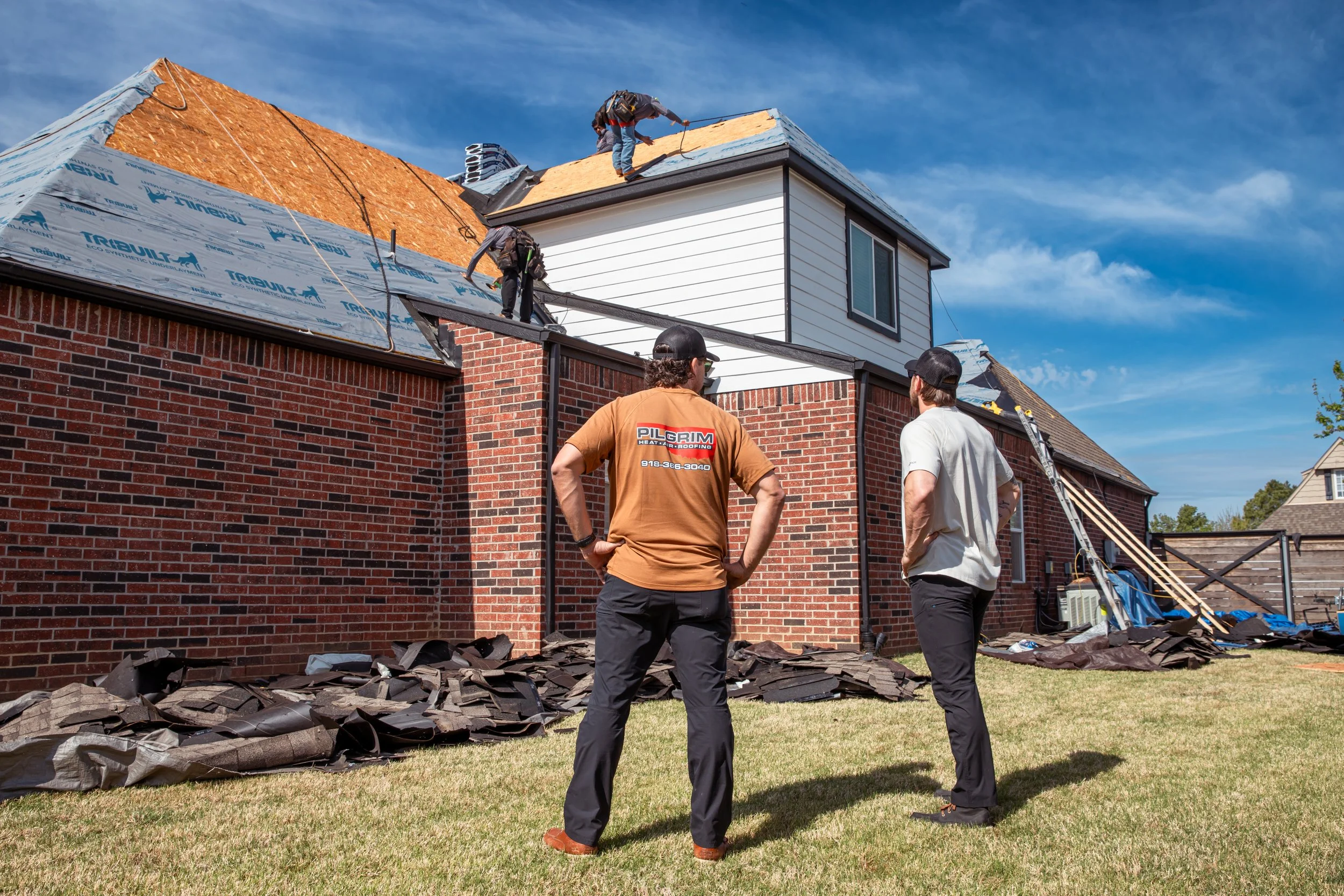
Most homeowners ask this question for one of two reasons: they are buying or selling a house, or they are staring at a roof that has seen a few too many storms. The honest answer is that a roof's lifespan depends on the material and how hard the weather works it, and Oklahoma weather works a roof hard. Pilgrim has installed and repaired roofs across the Tulsa Area since 1978, so we have watched how our hail, heat, and wind shorten the tidy numbers you see online. Here is what to actually expect.
The quick answer
In Oklahoma, a standard asphalt shingle roof usually lasts about 15 to 20 years, not the 25 to 30 you might read on a national site. Metal roofs run 40 to 70 years. Tile and slate can last 50 years or more. Our climate is the reason for the gap. Hail, intense summer heat, and high wind age a roof faster here than in a mild climate, so the real-world number is often on the shorter end of the range.
Lifespan by roofing material
Asphalt shingles (3-tab): Roughly 12 to 18 years in Oklahoma. These are the budget standard, and our sun and hail are hard on them.
Architectural (dimensional) shingles: About 18 to 25 years, and the shorter end here in the Tulsa Area. They are thicker and hold up to wind better than 3-tab, which is why most new roofs we install use them.
Metal roofing: 40 to 70 years. Metal shrugs off hail better than shingle and handles heat well, which is why more Oklahoma homeowners are considering it despite the higher upfront cost.
Tile and slate: 50-plus years. Beautiful and long-lasting, but heavy and pricey, and not common on most Tulsa Area homes.
Why Oklahoma roofs age faster
Three forces do most of the damage here:
Hail. Even hail that does not total a roof knocks granules loose and bruises shingles. Every storm shaves a little life off. A roof that would last 20 years in a calm climate might give you 15 here after a few hail seasons.
Heat. Long stretches of 100-degree summer days bake shingles, dry out the asphalt, and cause curling and cracking. Attic ventilation matters more than people think, because a poorly vented attic cooks the underside of the roof too.
Wind. Straight-line winds and the occasional tornado threat lift and tear shingles, especially at the edges and ridges. Once a shingle lifts, water gets under it.
Signs your roof is near the end
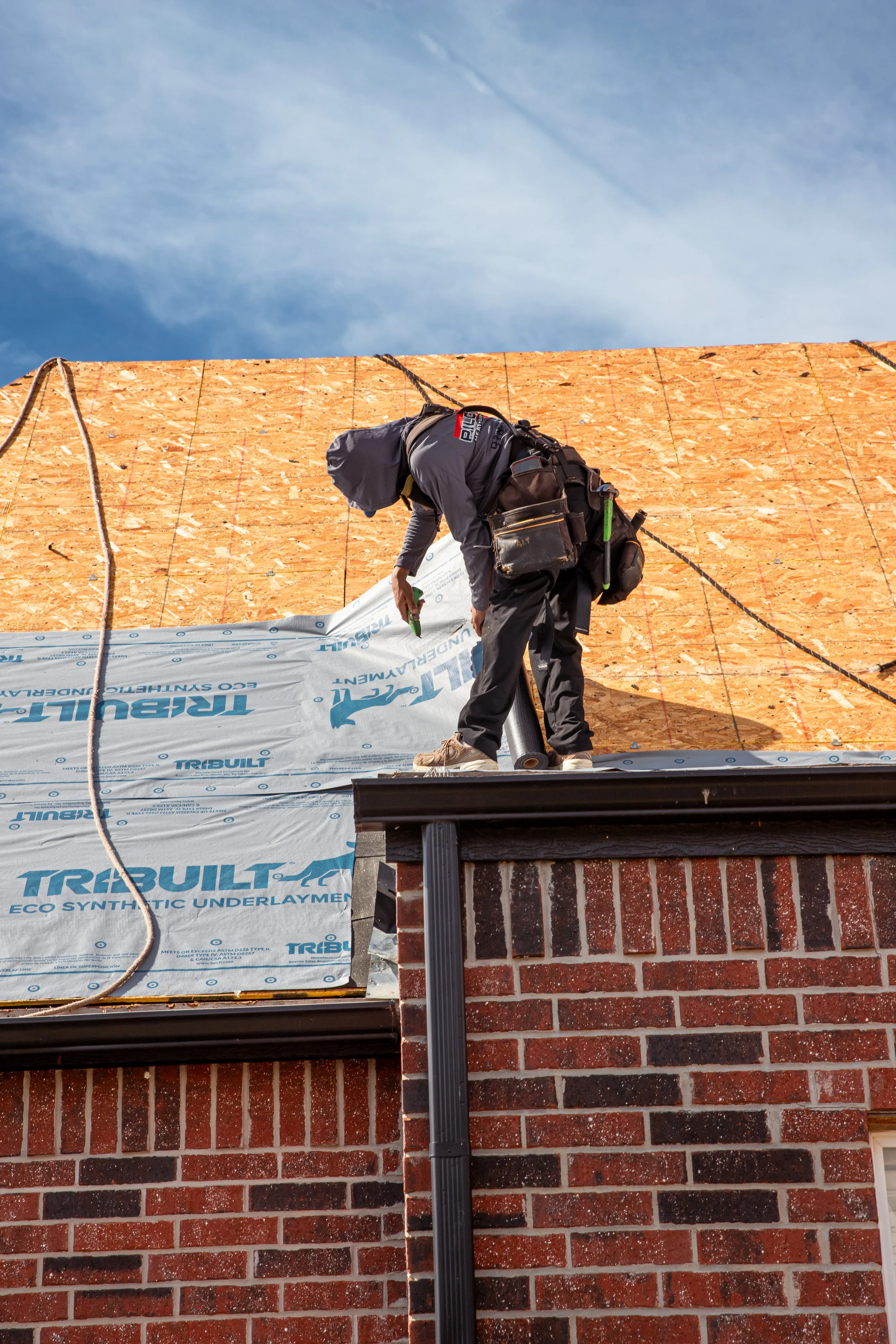
Age is only part of the story. Watch for these, because they mean the clock is running out regardless of the number:
Shingles that are curling, cupping, or cracking across the field.
Bald spots where the granules are gone and the asphalt shows through.
Granules collecting in your gutters and at the base of downspouts.
Daylight or water stains in the attic.
Shingles missing after a storm, or a roof that is more than 15 years old and has taken hail.
If you are seeing several of these, it is worth a professional look. A free inspection tells you whether you are looking at a few more years with maintenance or a replacement to plan for.
How to get the most years out of your roof
You cannot control Oklahoma weather, but you can stretch a roof's life. Keep gutters clear so water drains instead of backing up under the shingles. Make sure your attic is properly ventilated so heat does not cook the roof from below. Trim branches that scrape the surface. And get a roof inspection after any major hailstorm, because catching one lifted shingle or one bruised section early keeps a small fix from turning into a leak that ruins drywall and insulation. Homeowners across Tulsa and the surrounding metro call us for exactly that kind of honest check-up.
Frequently asked questions
How long does a shingle roof last in Oklahoma? Most asphalt shingle roofs here last about 15 to 20 years. Architectural shingles reach the higher end, and 3-tab shingles the lower end, with hail and heat pulling the real number down.
Does hail shorten a roof's lifespan even if it does not leak? Yes. Hail knocks off protective granules and can bruise the shingle mat without causing an immediate leak. That damage ages the roof faster and often shows up as a leak a year or two later.
Is a metal roof worth it in Oklahoma? For many homeowners, yes. Metal handles hail and heat better and can last 40 to 70 years, so it can be cost-effective over the long run despite the higher upfront price.
How often should I have my roof inspected? Once a year is a good baseline, and always after a significant hail or wind storm. Inspections are free with Pilgrim.
My roof is 18 years old and looks fine. Do I need to replace it? Not necessarily. Looks can be misleading after that many Oklahoma summers, so the smart move is a professional inspection to check the shingle condition, flashing, and decking before you decide.
Not sure where your roof stands? Get a free, no-pressure inspection from a team that has protected Tulsa Area homes since 1978. Call Pilgrim at 918-366-3040 or schedule online.