
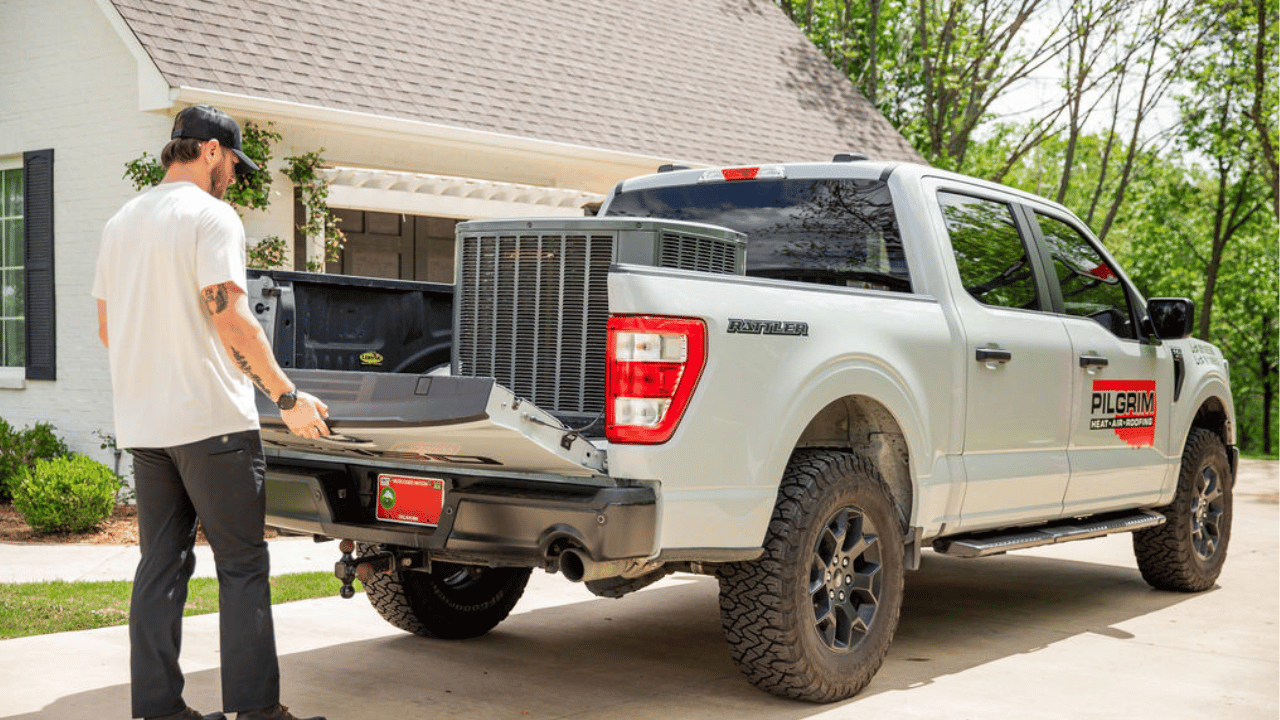
HVAC systems are essential for maintaining comfort in our homes, yet they can encounter various issues that disrupt their performance. Understanding common HVAC problems and their solutions can save homeowners time, money, and stress. This guide will explore frequent issues with air conditioning and heating systems, providing practical troubleshooting tips and insights into when to seek professional help. By addressing these common HVAC problems, homeowners can ensure their systems operate efficiently and effectively.
Further research emphasizes data-driven methods for evaluating HVAC efficiency and identifying operational issues in residential settings.
Data-Driven Residential HVAC Efficiency & Issue ID
This study presents a data-driven approach for an on-site evaluation of HVAC operations. Based on the collected data, the proposed method can assess residential HVAC system energy efficiency and performance, thus also enabling the identification of issues that may lead to suboptimal operation.
Data-driven evaluation of residential HVAC system efficiency using energy and environmental data, H Do, 2019
In this article, we will cover the following key areas: the reasons why air conditioners may not cool properly, common causes of AC cooling failures, troubleshooting steps for homeowners, diagnosing and repairing furnace problems, typical furnace issues and their symptoms, effective furnace repair tips, and the importance of regular HVAC maintenance. Additionally, we will discuss when to call a professional HVAC technician in Tulsa and how Pilgrim Heat and Air can assist with these services.
Why Is My Air Conditioner Not Cooling Properly?
An air conditioner that fails to cool properly can be a frustrating experience for homeowners. This issue often arises from several underlying factors, including low refrigerant levels, dirty condenser coils, or incorrect thermostat settings. Understanding these causes can help homeowners identify the problem and take appropriate action to restore their system's functionality.
Low refrigerant levels can occur due to leaks in the system, which prevent the AC from absorbing heat effectively. Dirty condenser coils can hinder heat exchange, while incorrect thermostat settings may lead to inadequate cooling. By addressing these issues promptly, homeowners can ensure their air conditioning systems operate efficiently and maintain a comfortable indoor environment.
What Are the Common Causes of AC Cooling Failures?
Several factors can contribute to air conditioning failures, and recognizing these can help homeowners troubleshoot effectively. Common causes include:
Low Refrigerant: Insufficient refrigerant levels can lead to poor cooling performance.
Dirty Filters: Clogged air filters restrict airflow, reducing the system's efficiency.
Compressor Issues: A malfunctioning compressor can prevent the system from cooling effectively.
By understanding these common causes, homeowners can take proactive measures to maintain their air conditioning systems and avoid costly repairs.
How Can I Troubleshoot and Fix My Air Conditioner at Home?
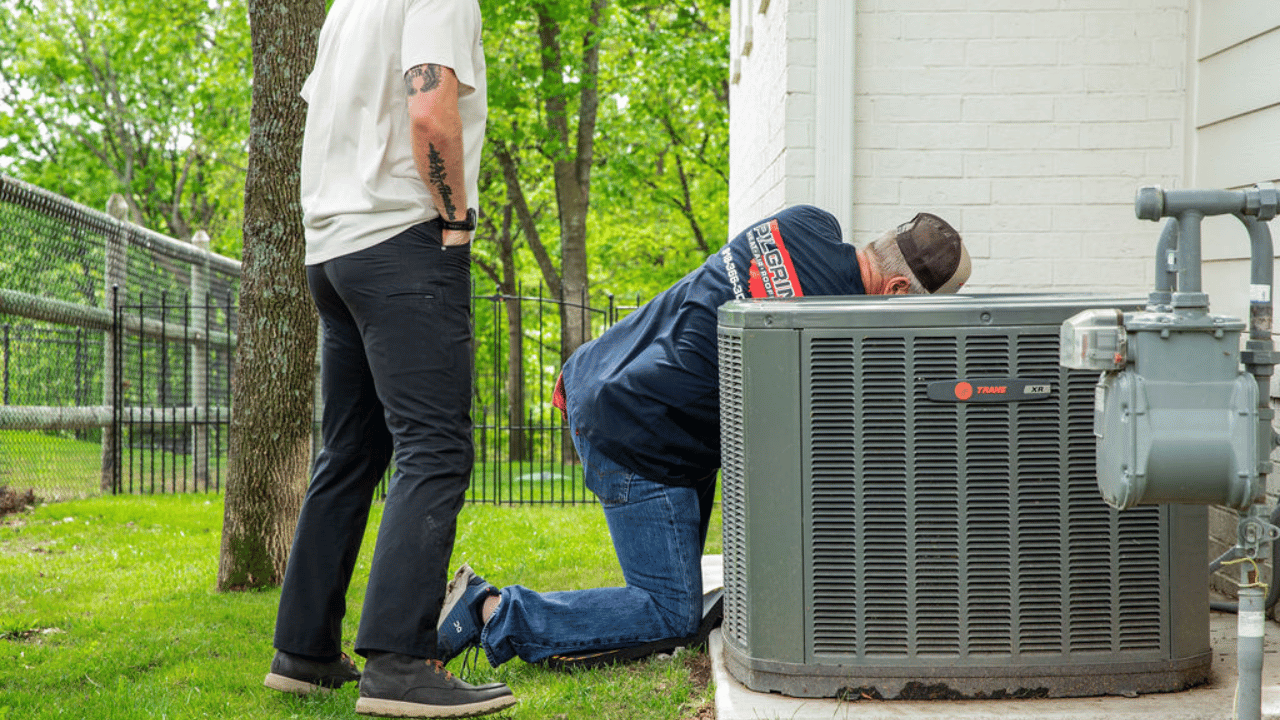
Homeowners can perform several troubleshooting steps to address cooling issues with their air conditioners. Here are some effective strategies:
Check Thermostat Settings: Ensure the thermostat is set to the desired temperature and is functioning correctly.
Inspect Circuit Breaker: Verify that the circuit breaker for the AC unit has not tripped, which can interrupt power.
Look for Ice Formation: Check for ice buildup on the evaporator coils, which can indicate low refrigerant levels or airflow issues.
By following these steps, homeowners can often identify and resolve minor issues before they escalate into more significant problems.
How Do I Diagnose and Repair Furnace Problems?
Diagnosing furnace problems requires an understanding of common issues and their symptoms. Homeowners may encounter several typical furnace problems, including:
Furnace Not Turning On: This can be caused by a faulty thermostat, tripped circuit breaker, or issues with the ignition system.
Furnace Blowing Cold Air: If the furnace is running but not producing heat, it may indicate a malfunctioning thermostat or a problem with the heat exchanger.
Frequent Cycling: A furnace that frequently turns on and off may have a dirty filter or an issue with the thermostat.
By recognizing these symptoms, homeowners can take steps to troubleshoot and repair their furnaces effectively.
What Are Typical Furnace Issues and Their Symptoms?
Furnaces can exhibit various issues that signal the need for repair. Common symptoms include:
Unusual Noises: Banging or rattling sounds may indicate loose components or mechanical issues.
Increased Energy Bills: A sudden spike in energy costs can suggest that the furnace is working harder than necessary due to inefficiencies.
System Age: Older furnaces may struggle to maintain efficiency, leading to frequent repairs.
Understanding these symptoms can help homeowners identify when it's time to seek professional assistance.
What Are Effective Furnace Repair Tips for Homeowners?
Homeowners can take several steps to maintain their furnaces and ensure optimal performance. Here are some effective repair tips:
Replacing Filters: Regularly changing air filters can improve airflow and efficiency.
Resetting the System: Sometimes, a simple reset can resolve minor issues with the furnace.
Cleaning Components: Keeping the furnace clean and free of debris can prevent overheating and improve performance.
By implementing these tips, homeowners can extend the lifespan of their furnaces and reduce the likelihood of breakdowns.
What Are the Most Frequent Heating System Problems and Solutions?
Heating systems can face various challenges that affect their performance. Common problems include:
Furnace Not Turning On: This issue may require checking the thermostat and power supply.
Uneven Heating: If some rooms are warmer than others, it may indicate ductwork issues or improper insulation.
Frequent Cycling: This can be caused by a dirty filter or thermostat problems.
Addressing these issues promptly can help maintain a comfortable home environment during colder months.
How to Identify Heating System Malfunctions Early?
Early detection of heating system malfunctions can prevent costly repairs. Homeowners should look for signs such as:
Signs of System Failure: Unusual noises or smells can indicate underlying issues.
Monitoring Energy Bills: A sudden increase in energy costs may signal inefficiencies.
Unusual Noises: Banging or clanking sounds can indicate mechanical problems.
By being vigilant and proactive, homeowners can catch potential issues before they escalate.
Research highlights advanced methods for identifying system faults, emphasizing their impact on performance and energy use.
Residential HVAC Fault Detection & Performance
Faults in building HVAC systems can have a significant impact on system performance and energy consumption. This paper presents a novel residential HVAC fault detection method that uses a recursive least-squares model approach. System identification is used to develop a model of the HVAC system, which is then used to detect faults by comparing the model's predictions with actual system measurements.
Residential HVAC fault detection using a system identification approach, WJN Turner, 2017
When Should I Schedule Professional Heating System Maintenance?
Regular maintenance is crucial for ensuring the longevity and efficiency of heating systems. Homeowners should consider scheduling professional maintenance in the following situations:
Annual Maintenance Timing: Scheduling maintenance before the heating season can prepare the system for increased demand.
Signs Indicating Need for Maintenance: If the system is not performing as expected, it may be time for a professional inspection.
Benefits of Regular Maintenance: Routine maintenance can enhance efficiency, extend the lifespan of the system, and reduce the likelihood of breakdowns.
By prioritizing maintenance, homeowners can enjoy reliable heating throughout the winter months.
How Can Regular HVAC Maintenance Prevent Common Problems?
Regular HVAC maintenance plays a vital role in preventing common issues. Key benefits include:
Efficiency Improvements: Routine checks can identify and resolve inefficiencies, leading to lower energy costs.
Lifespan Extension: Regular maintenance can prolong the life of HVAC systems, saving homeowners money in the long run.
Reliability Enhancement: A well-maintained system is less likely to experience unexpected breakdowns.
By investing in regular maintenance, homeowners can ensure their HVAC systems operate smoothly and efficiently.
Studies consistently demonstrate the significant energy benefits and problem-solving capabilities of regular HVAC maintenance.
HVAC Maintenance: Solving Problems & Boosting Efficiency
The project was designed to evaluate HVAC equipment conditions and document typical maintenance problems at a sample of commercial and institutional buildings. Using a simple estimation model, Improved HVAC preventive maintenance resulting directly from the training was estimated to save 10–20% of HVAC energy use.
Quantifying the energy benefits of HVAC maintenance training and preventive maintenance, 1999
When Should I Call a Professional HVAC Technician in Tulsa?
Knowing when to call a professional HVAC technician is essential for maintaining system performance. Homeowners should seek professional help in the following situations:
Complete System Failure: If the HVAC system is not functioning at all, immediate assistance is necessary.
Unusual Noises or Smells: Strange sounds or odors can indicate serious issues that require expert attention.
Rising Energy Bills: A sudden increase in energy costs may signal inefficiencies that need to be addressed.
By recognizing these signs, homeowners can ensure their HVAC systems receive the necessary care and attention.
How Does Pilgrim Heat Air and Roofing Ensure Trustworthy Service?
Pilgrim Heat and Air, a Tulsa-based service provider, is committed to delivering high-quality HVAC solutions. Their expertise in HVAC system repair, maintenance, and troubleshooting ensures that homeowners receive reliable service. As a family-owned business, they prioritize customer satisfaction and quality assurance, making them a trusted choice for HVAC needs in the Tulsa area.
By understanding common HVAC problems and their solutions, homeowners can take proactive steps to maintain their systems and ensure comfort in their homes. For those in need of professional assistance, Pilgrim Heat and Air is ready to provide expert support and service.
To learn more about the services offered, visit Pilgrim Heat and Air services. They offer a wide range of solutions to meet your heating and cooling needs.
Need Expert HVAC Assistance?
Maintaining a comfortable and efficient home environment depends largely on the proper functioning of your HVAC system. By understanding common problems, performing regular maintenance, and knowing when to seek professional help, homeowners can avoid costly repairs and ensure their systems run smoothly year-round. Whether troubleshooting minor issues or scheduling professional service, proactive care is key to extending the life and performance of your heating and cooling equipment.
If you're experiencing HVAC issues or want to ensure your system is running at peak efficiency, don't hesitate to reach out to the professionals at Pilgrim Heat and Air. Their experienced technicians are ready to provide reliable repair, maintenance, and installation services tailored to your needs.